
The Bowling Pin Strategy: Why Your Deeptech Can’t Win Every Market

“Your product innovation and go-to-market resources are limited. That’s a fact.”
– Warren Schirtzinger, co-creator of the marketing chasm framework, in Predictable Innovation.
It sounds obvious. Then an inbound lead from a new industry arrives.
Every yes takes a piece of the same budget, team, and time.
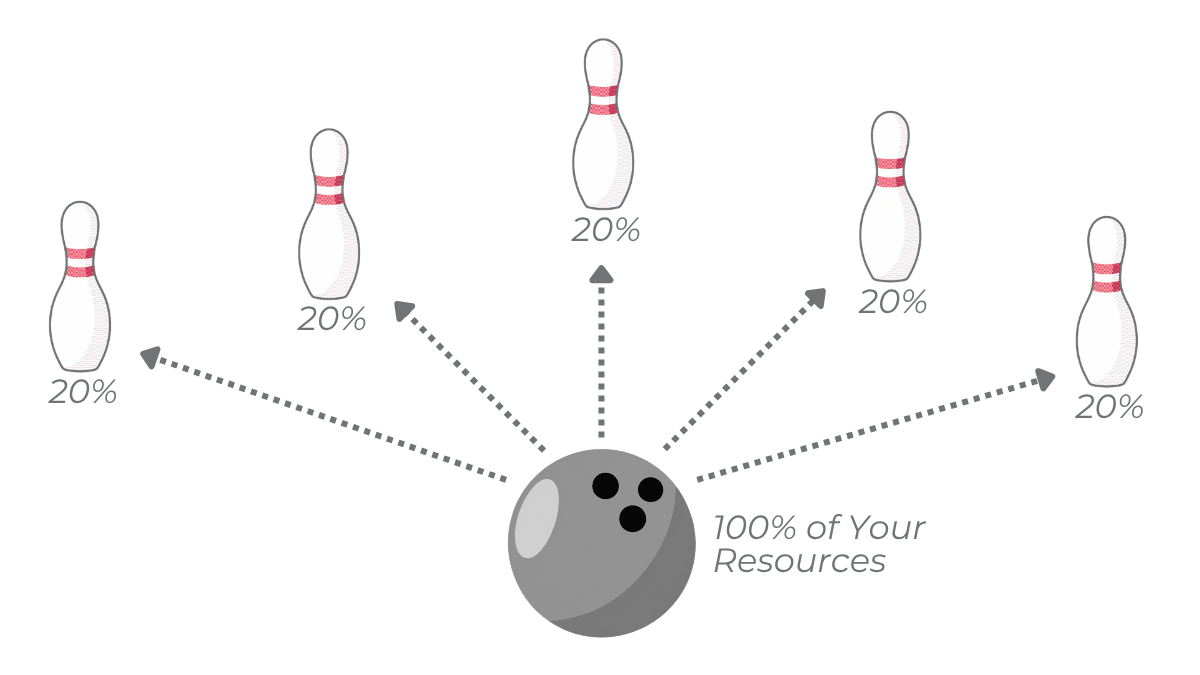
Picture one bowling ball and five pins. Aim at all five, and each gets 20% of your effort, which rarely topples any of them. The Bowling Pin Strategy fixes that. It’s one way to Cross the Chasm: the gap in the technology adoption lifecycle between early adopters and mainstream buyers where many tech products stall.
Say a startup sells the same sensing technology to utilities, hospitals, and logistics firms at once. That’s three sets of requirements and three wish lists for one small team. Narrowing feels like leaving money on the table, but as Forbes contributor Paul Evans argues, what looks like a growth problem is usually a positioning problem.
How the Bowling Pin Strategy Works
When you’re building deeptech, focus keeps your roadmap simple and brings in early customers that make the next sales much easier. Here’s the playbook:
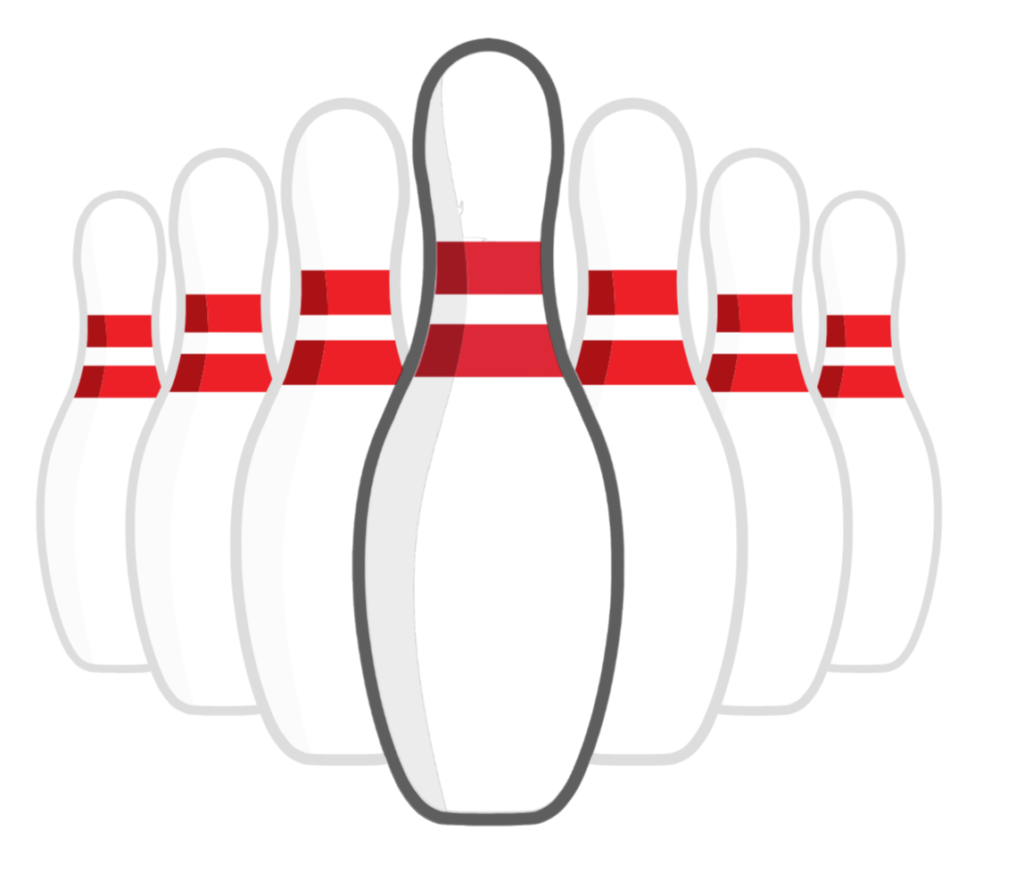
1. The Headpin: Win One Segment Completely
Choose one customer group with one painful problem, then build, message, and sell for them only. Mainstream buyers want a solution made for people like them, and “for everyone” reads as “for no one.” Be specific about who you help, what you fix, why you’re different, and what you replace.
2. The Neighbour: Hit the Pin Next to It
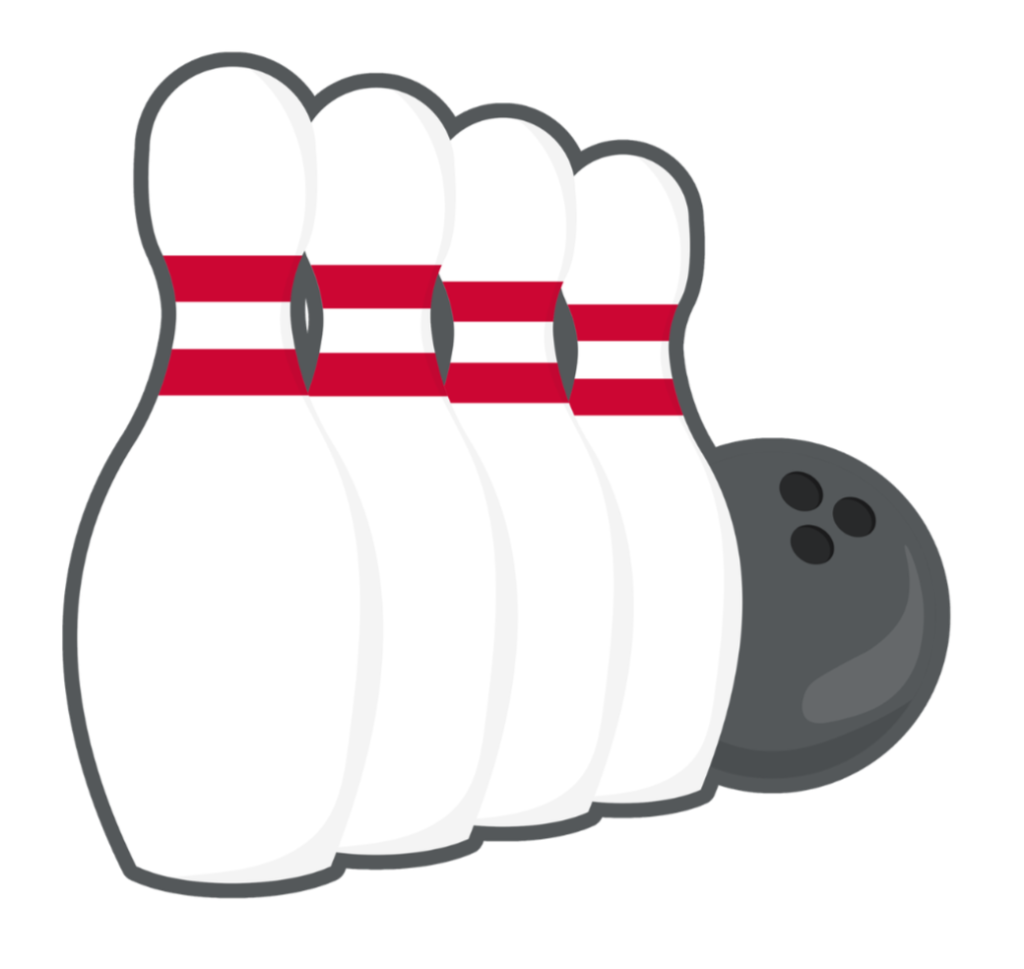
Once you’ve won your headpin, use it to identify your next segment. The next best pin is related to your first. Your early customers show you what to look for: they share the same problem, and they help you describe your value in terms that the next buyer will recognize. As awareness, word of mouth, and case studies travel from pin to pin, momentum builds, and your positioning gets sharper.
3. The Lane: Let Each Win Clear the Next
Every segment you win makes the next one easier and more credible. Evaluate each potential market by how much opportunity it opens, whether it strengthens your industry credibility, and how it supports your financial sustainability. Weigh each candidate by which opens the most doors, strengthens your standing, and helps your finances most.

Ready to Find Your Headpin?
The Bowling Pin Strategy turns limited resources into compounding momentum: one pin, then the next. Choosing your headpin is hard to do alone, so talk it through with your mentor. A second view on your segment, positioning, and next pin is worth having before you commit resources.
Not sure where to start, or which strategies fit your venture? Apply to Perago. We support deeptech and science founders with specialized mentorship, business expertise, and tailored programming. Our in-house Marketing PowerUp team can also help turn your positioning into market traction, giving you the guidance to win your first niche and build a foundation for expansion.
Sources & Further Reading:
- Étienne Garbugli, How to Identify Follow-on Markets, Lean B2B
- Paul Evans, Why Most B2B Companies Fail At Market Expansion, Forbes Business Council
- Warren Schirtzinger, Crossing the Chasm: what it really means, and the 6 mistakes to avoid, Predictable Innovation
Related Posts




Topics
Tags
Events
#VTJTalks: Women Who Build – Leadership Lessons from Women Founders & Funders
Northeastern University – Vancouver18
Five Threats, Five Solutions: Climate Tech for a Livable Vancouver
Vancouver Convention Centre25
Contact Us
Ready to start a conversation?
Get in touch with us.